
THANK YOU FOR SUBSCRIBING
× 
Construction Tech Review Weekly Brief
Be first to read the latest tech news, Industry Leader's Insights, and CIO interviews of medium and large enterprises exclusively from Construction Tech Review

Boston Properties
Daniel G. Murtagh, Vice President, Engineering
Maintaining Building Infrastructures
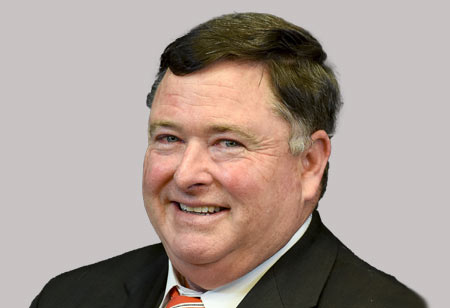
Daniel G. Murtagh
Maintaining building infrastructures is one of the activities that require constant diligence and attention. When buildings are new, that is the time to set up the maintenance activities and schedules to have the best outcome over the long view. The main obstacle to this is usually the fact of how often a building or campus trades. Not everyone has the same objectives when holding a building. The discipline to operate a building with a consistent maintenance philosophy is not widely observed, especially when the goal is to hold a property for a shorter time and with the goal to be trading in 3 to 5 years as the value increases and then sell and move on. Over time this kind of trading has a negative outcome on building infrastructures. For many infrastructures building codes have taken a lead role in mandating maintenance and certification of systems as a way to assure that critical systems are maintained compliant for reasons of safety and assured functionality for occupant safety. Other large systems are not as fortunate and are not protected by codes and standards as closely. Whether its fire alarm, sprinklers, smoke control or chillers, boilers and pumps, maintaining these large capital systems has both a cost and an outcome. The outcome is usually more positive in those systems that have a good maintenance result. Good maintenance practices start with the original equipment manufacturers, (OEM), literature. Understanding the OEM recommendations and suggestions is important to ensure a good outcome for the longer run of the building life. Buildings that have good maintenance programs can extend equipment life and better mean time between failures that have positive economic values to the real estate. There are many industry standards out there and some of which are incorporated into codes by area jurisdictions which change them from a standard to an enforceable code.
Major Systems typically include but are not limited to, fire alarm, fire sprinklers, smoke control, HVAC, (heating, ventilating, air conditioning), electrical and plumbing systems. In addition to these envelopes and site systems that require regular maintenance add to the list of systems that require regular attention over the life of the building.
Fire Alarm systems
Fire Alarm systems typically include a number of devices installed throughout the facility wired back to a central area like a fire control room. Usually there are many batteries in these systems that will require out of necessity replacement every couple of years to ensure good operation and duration.
Fire Sprinkler systems
Fire Sprinkler systems can incorporate water service into the facility, water storage tanks, fire pumps and control panels along with pressure regulators and thousands of feet of piping, fittings and control valves, all of which have specific and code required maintenance and certification needs.
“Developing and prioritizing your philosophy toward maintenance and operations is a critical step to assure long term value over the life of the asset.”
HVAC systems (Heating, Ventilating, & Air Conditioning)
HVAC systems can include chillers, boilers pumps and controls along with an air side set of systems that distribute conditioned air throughout the facility. These air side systems typically include ducting, economizer dampers, fire smoke dampers, zone control boxes sensors and diffusers. Each component in a typical HVAC system has a distinct job to do. And the larger capital equipment, like the chillers, boilers pumps, ducts and piping will all require different forms of regular inspections, testing, service, maintenance and repair.
Electrical Systems
Electrical systems extend the lighting and power throughout a facility and are necessary to provide functionality to a facility. Designing and installing an electrical system is important but maintaining it over a long period of time requires some effort. In many cases the inspection, testing and maintenance of an electrical system is required by code, but that should not limit your approach to this concept as this type of system is at the heart of being able to achieve and retain occupancy.
Plumbing Systems
Plumbing systems can be fairly entailed depending on how large and diverse the system is. It is more than a series of pipes assembled to deliver water to an end use point. There are many valves, pumps, regulators, reliefs and specialty fittings such as backflow prevention assemblies to prevent backflow and contamination of the water system.
These are just some of many systems contained inside a facility and there are many more to consider. Developing and prioritizing your philosophy toward maintenance and operations is a critical step to assure long term value over the life of the asset. It is a good practice to work to achieve a longer life cycle of your major systems through inspection, testing & Maintenance. There is usually a cheaper way to approach almost anything, but cheap in the short run could lead to expensive in the long run and consistent good maintenance practices always pay off when applied consistently over time.
The articles from these contributors are based on their personal expertise and viewpoints, and do not necessarily reflect the opinions of their employers or affiliated organizations.
Top
